A Nepal Tour Package with Everest Base Camp Trekking is a perfect way to explore the country in one journey. This package combines a guided Nepal cultural tour with the famous Everest Base Camp trek. You can visit cultural sites in Kathmandu such as temples, monasteries, and heritage squares, then travel to the Everest region for an unforgettable trekking experience. It saves time and makes the trip easy, safe, and well organized.
This Nepal tour package with trekking is ideal for adventure seekers, nature lovers, and cultural explorers. It is perfect for travelers who want mountain adventure along with cultural discovery. With a mix of city sightseeing, scenic mountain flights, cultural experiences, and trekking in the Everest region, this package offers a complete and memorable Nepal travel experience.
Another key benefit of Nepal tour package is its well-balanced itinerary, designed to include proper acclimatization and comfortable travel arrangements. With experienced guides, planned rest days, and reliable logistics, travelers can enjoy the journey with confidence. This makes theNepal Tour Package with Everest Base Camp Trek suitable even for first-time trekkers who want a safe and rewarding Himalayan adventure.
Overview of the Everest base camp Trek
The Nepal Everest Base Camp Trek is one of the most popular trekking adventures in the world. Located in the Khumbu region of eastern Nepal, this trek takes you close to Mount Everest, the highest peak on Earth. The journey offers stunning Himalayan views, traditional Sherpa villages, and deep cultural experiences, making it a dream trek for many travelers.
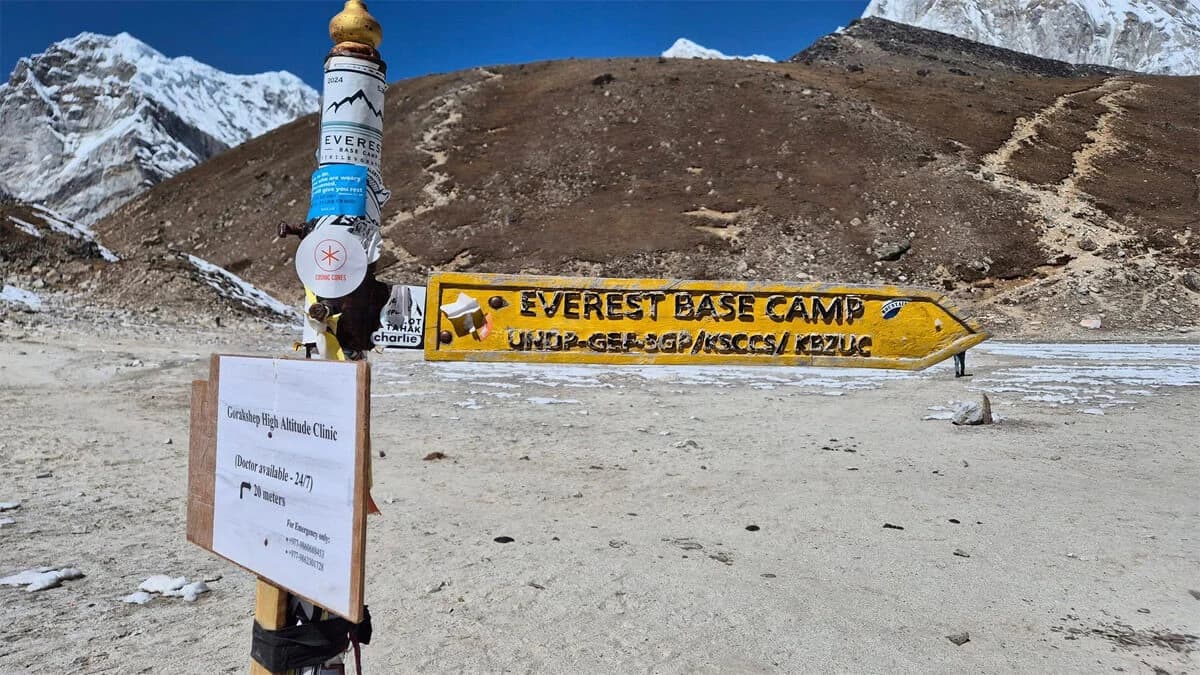
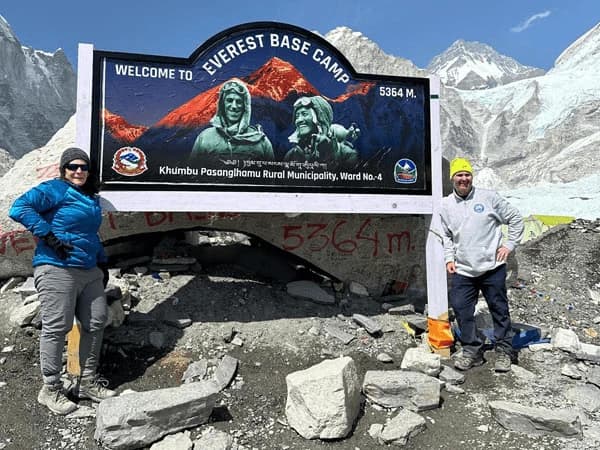
The trek usually takes 12–14 days and starts with a scenic flight to Lukla. From there, the route passes through Phakding, Namche Bazaar, Tengboche, Dingboche, Lobuche, and Gorak Shep before reaching Everest Base Camp at 5,364 meters. Highlights include panoramic views of Everest, Lhotse, Nuptse, and Ama Dablam, visits to famous monasteries, and the breathtaking sunrise view from Kala Patthar (5,545 meters).
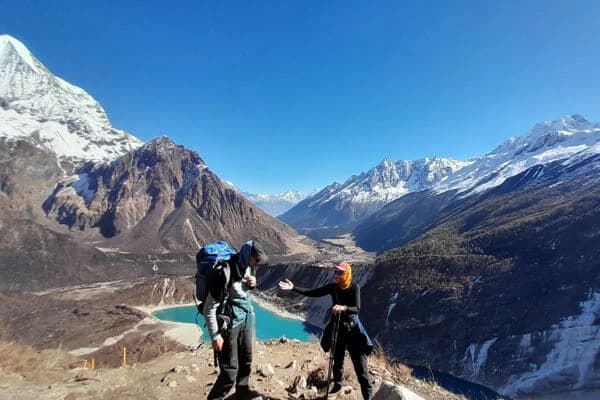
This trek is also a journey through changing landscapes and climates. You walk from green valleys and forests to high alpine terrain and glaciers, experiencing the true scale of the Himalayas. Along the way, the warm hospitality of local teahouses, the rhythm of daily trekking life, and the peaceful mountain environment make the Everest Base Camp trek not just an adventure, but a deeply rewarding travel experience.
Highlights of Nepal Tour with Everest Base Camp Trek
The Nepal Tour with Everest Base Camp Trekking 2026/027 is a perfect blend of trekking adventure, culture, and natural beauty. This journey allows travelers to explore Nepal’s historic cities and then head into the heart of the Himalayas. From lively streets and ancient temples to quiet mountain trails, the tour offers a complete Nepal travel experience in one package.
During the trek, you follow the classic Everest Base Camp trekking route through scenic valleys and traditional villages. Along the way, you experience Sherpa culture, visit monasteries, and enjoy breathtaking mountain views. This trek is well planned and suitable for travelers who want both cultural discovery and high-altitude adventure.
- Scenic flight to Lukla with stunning Himalayan views
- Trek to Everest Base Camp (5,364m), the base of the world’s highest peak
- Walk through traditional Sherpa villages and experience local mountain life
- Visit famous Buddhist monasteries, including Tengboche Monastery
- Enjoy panoramic views of Mount Everest, Lhotse, Ama Dablam, and other peaks
- Cross high suspension bridges, glaciers, and alpine landscapes
- Explore UNESCO World Heritage Sites in Kathmandu, rich in history and culture
On the first day, you arrive in Kathmandu and are welcomed at the airport. You are transferred to your hotel and have time to rest after your journey. Kathmandu is a lively city with busy streets, local markets, and views of surrounding hills.
Later in the day, you meet your trekking guide for a short briefing about the Everest Base Camp trek. You check your trekking gear and discuss the itinerary. In the evening, you can enjoy a traditional Nepali dinner or take a short walk around the city.
Day two is dedicated to cultural sightseeing in Kathmandu Valley. You visit UNESCO World Heritage Sites such as Pashupatinath Temple, Boudhanath Stupa, and Kathmandu Durbar Square. These places show Nepal’s rich history, religion, and architecture.During the tour, you learn about Hindu and Buddhist traditions and see local daily life. After sightseeing, you return to the hotel to prepare for the trek. This day helps you understand Nepali culture before heading to the mountains.
Early in the morning, you take a scenic flight to Lukla, one of the most exciting flights in the world. The short flight offers amazing views of mountains and valleys. After landing, you meet the trekking crew and begin your trek.
The trek to Phakding is short and easy, passing through small villages and along the Dudh Koshi River. You cross suspension bridges and enjoy your first views of the Himalayan landscape. You stay overnight in Phakding.
On day four, the trek continues toward Namche Bazaar, the main town of the Everest region. The trail goes through pine forests, rivers, and several suspension bridges. Along the way, you may get your first glimpse of Mount Everest on a clear day.
The climb to Namche is challenging but rewarding. After reaching Namche Bazaar, you can explore local shops, cafes, and bakeries. This lively Sherpa town is an important trading center in the region.
This day is set aside for acclimatization to help your body adjust to the altitude. You take a short hike to nearby viewpoints like Everest View Hotel or Syangboche. These hikes offer panoramic views of Everest, Lhotse, and Ama Dablam.
In the afternoon, you return to Namche Bazaar and rest. You can visit the Sherpa Museum or walk around the town. Proper acclimatization on this day is important for a safe and successful Everest Base Camp trek 026.
On day six, you leave Namche Bazaar and begin the trek to Tengboche. The trail gradually ascends through beautiful rhododendron and pine forests. Along the way, you cross several small streams and suspension bridges, enjoying scenic views of the Khumbu Valley. The trek takes around 5 to 6 hours, depending on your pace.
Upon arrival in Tengboche, you visit the famous Tengboche Monastery, one of the largest and most important Buddhist monasteries in the Everest Region. The monastery offers a peaceful atmosphere and stunning panoramic views of Mount Everest, Ama dablam, Lhotse and Nuptse. You spend the night in Tengboche and prepare for the next day’s trek.
The next day, you leave Tengboche and continue trekking toward Dingboche. The trail passes through beautiful landscapes, including forests, rivers, and small Sherpa villages. As you climb higher, the views of Ama Dablam, Lhotse, and Island Peak become more spectacular. The trek takes around 5–6 hours, with gradual altitude gain to help your body adjust.
Upon arrival in Dingboche, you settle into your lodge. The village is surrounded by stunning alpine scenery, with fields and stone houses scattered across the valley. In the evening, you can enjoy the sunset over the mountains and rest for next day’s acclimatization day.
Today is the rest day in Dingboche which is essential forhigh-altitude trekking. You can take a short hike to Nangkartshang Peak or nearby viewpoints to enjoy panoramic views of Makalu, Lhotse and Ama Dablam. This helps your body adjust to the increasing altitude while allowing you to enjoy the mountains.
In the afternoon, you return to Dingboche and rest. You can explore the village, interact with locals, and learn about Sherpa culture. Proper rest and hydration on this day are crucial to prepare for the trek toward Lobuche and Everest Base Camp.
On day of nine, you trek from Dingboche to Lobuche, gaining more altitude as you enter higher Himalayas. The trail passes small villages, moraine landscapes and glacial valleys. Along the way, you can see Mt. Everest, Lhotse and Nuptse towering above. The trek usually trek around 5 - 6 hours. Upon arrival in Lobuche, you’ll rest at a local lodge. The village is small and quiet, with stunning views of surrounding peaks. This day prepares your body for the final ascent toward Everest Base Camp.
This day is the most highlighted day of the trek. You first hike to Gorakshep, the base village for Everest Base Camp. From there, you continue to the Everest Base Camp (5,364m). At the base camp, you see the massive Khumbu Glacier and the iconic Mount Everest up close. After spending time at the base camp, you return to Gorakshep for an overnight stay. This day is long but rewarding, offering unforgettable views and the sense of accomplishment of reaching the world’s highest mountain base.
Early in the morning, you hike to Kala Patthar (5,545m) to enjoy the best panoramic sunrise views of Mount Everest, Lhotse, Nuptse, and Ama Dablam. This viewpoint is famous for stunning photographs of the Himalayas. After descending from Kala Patthar, you trek down to Pangboche, passing through picturesque valleys and Sherpa villages. The descent helps your body adjust while giving more chances to enjoy local culture and mountain scenery.
On day twelve, you descend from Pangboche back to Namche Bazaar, retracing part of the route through forests, suspension bridges, and small villages. The trek takes around 5–6 hours. Once in Namche, you can relax, shop for souvenirs, and enjoy local cafes. This is a good opportunity to rest and celebrate completing the high-altitude section of the trek.
You continue descending to Lukla, completing the final stage of the trek. The trail passes through pine forests and small villages along the Dudh Koshi River. The hike usually takes 6–7 hours, depending on pace. Upon arrival in Lukla, you celebrate with the trekking team and spend the night in a lodge. You can reflect on the incredible journey through the Everest region.
You’ll take a scenic flight back to Kathmandu from Lukla. The flight offers breathtaking views of the Himalayan peaks one last time. After landing, you are transferred to your hotel and have leisure time to relax or shop in the city. You can also enjoy a farewell dinner, celebrating the completion of your Everest Base Camp trek and the Nepal tour.
On the final day, you’ll be transferred to Kathmandu airport for your onward flight. You leave Nepal with memories of breathtaking mountains, unique culture, and the incredible trekking adventure of the Everest Base Camp trek.
Best Time for Nepal Tour with Everest Base Camp Trek
The best time for a Nepal Tour with Everest Base Camp Trek is during the spring season from March to May. During this time, the weather is stable and temperatures are comfortable for trekking. The trails are colorful with blooming rhododendrons, and the mountain views are clear. Spring is ideal for travelers who want good weather and beautiful scenery.
The autumn season from September to November is another perfect season for the Everest Base Camp trek. The weather is dry, skies are clear, and visibility is excellent after the monsoon. This season offers sharp views of Mount Everest and surrounding peaks, making it very popular among trekkers.
In both seasons, weather and visibility conditions are generally favorable. Days are sunny with clear mountain views, while nights are colder at higher altitudes. These seasons provide safe trekking conditions, fewer weather disruptions, and the best overall experience for a Nepal tour with the Everest Base Camp trekking.
Difficulty Level & Physical Fitness for EBC Trekking
The Everest Base Camp trek is considered moderate to challenging difficulty level. While it does not require technical climbing skills, trekkers face long walking hours, steep trails, and high-altitude conditions. The trek involves daily hikes of 5 to 7 hours and gradual altitude gain, which can be physically demanding, especially above 3,000 meters.
A good level of physical fitness is recommended before the trek. Preparation should include regular cardio exercises like walking, jogging, cycling, and stair climbing. Strength training for legs, core, and back muscles can help with carrying a daypack and trekking over uneven terrain. Trekking practice on hills or mountains beforehand is also very beneficial.
Acclimatization is extremely important for a safe and successful trek. The body needs time to adjust to higher altitudes to prevent altitude sickness. Rest days, short hikes during acclimatization, and gradual ascent are essential. Staying hydrated, eating well, and listening to your body are key factors for maintaining fitness and enjoying the Everest Base Camp adventure safely.
Cultural and Natural Experiences
The Nepal Tour with Everest Base Camp Trek is not just about mountains and peaks. It is also rich in culture and nature. Along the route, you experience the Sherpa lifestyle, learning about their traditions, festivals, and daily life in high-altitude villages. Interacting with locals gives you insight into their strong community values and mountain heritage.
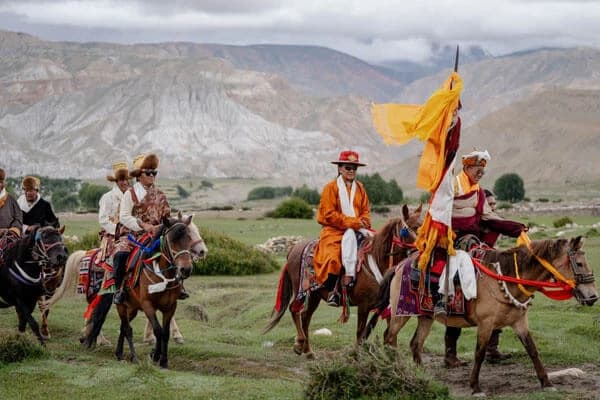
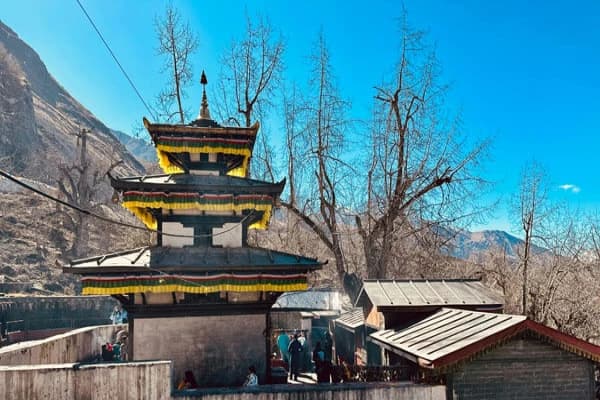
You will also visit Buddhist monasteries, walk past colorful prayer flags, and see mani walls, which are stone walls inscribed with sacred prayers. These cultural symbols add a spiritual dimension to the trek and reflect the deep Buddhist influence in the Everest region.
The trek passes through Sagarmatha National Park, a UNESCO World Heritage Site. Here, you can spot unique flora and fauna, including rhododendron forests, Himalayan birch, and alpine shrubs. Wildlife such as musk deer, Himalayan thar, and various bird species can also be seen, making the journey a perfect mix of natural beauty and cultural discovery.
Accommodation & Meals Nepal Tour Package with EBC Trek
During the Nepal Tour with Everest Base Camp Trek, your stay is a mix of comfortable hotels and traditional mountain lodges. In Kathmandu, you stay in well-equipped hotels with modern amenities, hot showers, and cozy rooms. These hotels provide a relaxing base before and after the trek, and often include breakfast.
During the trek, accommodation is in teahouses, small family-run lodges along the trail. Teahouses provide basic rooms with beds, blankets, and shared or private bathrooms depending on the lodge. Staying in teahouses allows you to experience local hospitality and interact with Sherpa families.
Meals during the trek are simple, nutritious, and designed to keep you energized. Popular options include rice, noodles, dal bhat (traditional lentil soup with rice), soups, and pasta. Tea, coffee, and hot chocolate are also available. Meals are usually freshly prepared, giving trekkers a taste of local Nepali cuisine while keeping the energy needed for high-altitude trekking.
Cost of Nepal Tour Package with Everest Base Camp Trek
The cost of a Nepal Tour with Everest Base Camp Trek can vary widely depending on the services and season. On average, standard packages range from USD 900 to USD 5,000 per person. In this cost range, you’ll get accommodation, teahouses during the trek, meals, trekking permits, guide and porter services, and domestic flights to Lukla.
Several factors affect the overall cost. Group size plays a major role with larger groups often paying less per person. The season also matters, as peak seasons like spring and autumn are more expensive due to higher demand. Packages that include more comfortable lodges, experienced guides, and additional services usually cost more than budget options.
Travelers can also choose optional add-ons to enhance their experience, such as helicopter return from Lukla, luxury hotels in Kathmandu, or private guides. These add-ons provide extra convenience and comfort but will increase the total tour package cost. Overall, the price depends on the level of comfort, services, and customization you prefer for your Nepal adventure.
Permits Requirements for EBC Trekking
Trekking to Everest Base Camp requires official permits issued by the Nepal government. These permits are necessary to enter the region and allow trekkers to access the trails safely and legally. All travelers must carry valid identification and permits during the trek, which are checked at various checkpoints along the route.
Having the proper permits ensures a safe, organized, and hassle-free trekking experience while helping to protect the natural and cultural environment of the Everest region.
Sagarmatha National Park Permit
The Sagarmatha National Park Permit is required for all trekkers entering the Everest Region. It allows access to the protected area within the park and helps support conservation efforts. You must carry this permit throughout your journey, as it is checked at checkpoints along the trail.
This permit is usually arranged through trekking agencies, making it easier for visitors to obtain before starting their trek. It ensures that travelers follow park rules, helping preserve the natural environment and wildlife of the Himalayas.
Khumbu Pasang Lhamu Rural Municipality Permit
The Khumbu Pasang Lhamu Rural Municipality Permit is mandatory for entering villages and trails above Namche Bazaar. It regulates trekking in the high-altitude areas and ensures that the local communities benefit from tourism.
This permit must be presented at checkpoints during the trek. It also helps authorities monitor trekking activities and maintain safety and environmental standards in the region.
TIMS Card (Trekkers’ Information Management System)
The TIMS Card is issued to all foreign trekkers in Nepal. It records important information about the trekker, including personal details and trekking routes, to enhance safety and tracking in case of emergencies.
Obtaining a TIMS card is a standard procedure before starting the trek. It is required at checkpoints along the trail and ensures that authorities can provide assistance if needed, making the trek safer and more organized.
Safety, Health & Altitude Considerations
Trekking to Everest Base Camp is an exciting adventure but it comes with challenges related to high altitude, long trekking hours, and unpredictable weather. Altitude is the main concern, as oxygen levels decrease the higher you go, making breathing more difficult and increasing the risk of altitude sickness. Proper preparation, awareness, and following a gradual ascent plan are essential for a safe journey.
One of the most important steps for a safe trek is acclimatization. Rest days at key points like Namche Bazaar (3,440m) and Dingboche (4,410m) allow your body to adjust to thinner air. Walking slowly, staying hydrated, and eating nutritious meals help reduce fatigue and prevent altitude-related problems. Trekkers should avoid alcohol and excessive caffeine which can worsen dehydration.
Another key safety factor is weather preparedness. The Himalayas can have sudden temperature drops, snow, or rain, so carrying layered clothing, waterproof gear, and sun protection is essential. Warm layers protect against cold nights, while sunglasses and sunscreen prevent sunburn at high altitudes. Trekking poles can also provide stability on steep or slippery trails.
Finally, medical readiness and support are crucial. You should have a basic first-aid kit, personal medications, and rehydration salts. Travel insurance that covers high-altitude trekking and emergency evacuation is highly recommended. Trekking with experienced guides and porters ensures you have professional support, health monitoring, and assistance in case of emergencies, making the Everest Base Camp trek a safe and enjoyable adventure.
Additional points to consider:
- Hydration and Nutrition: Drinking plenty of water and eating energy-rich snacks keeps your body strong during long treks.
- Trekking Pace: Walking at a steady, moderate pace helps conserve energy and prevents overexertion at higher altitudes.
- Emergency Awareness: Knowing evacuation routes, symptoms of altitude sickness, can be life-saving in critical situations.
These considerations collectively help ensure that your journey to Everest Base Camp is not only thrilling but also safe, healthy, and memorable.
FAQs
How long is the Nepal tour with Everest Base Camp Trek?
The Nepal tour with Everest Base Camp Trek typically lasts 12–15 days, depending on the itinerary and acclimatization days. It starts with sightseeing in Kathmandu, followed by a scenic flight to Lukla and trekking through villages like Namche Bazaar, Tengboche, Dingboche, and Lobuche before reaching Everest Base Camp and Kala Patthar, then returning to Lukla and Kathmandu.
What cultural experiences can I expect on this tour?
You will explore Kathmandu’s UNESCO World Heritage Sites, including Pashupatinath, Boudhanath, and Durbar Square. On the trek, you experience Sherpa culture, visit Buddhist monasteries such as Tengboche, see prayer flags and mani walls, and interact with local villagers, gaining insight into their traditions, daily life, and mountain heritage.
What kind of accommodation is available during the trek?
Accommodation includes hotels in Kathmandu with modern amenities and teahouses along the trekking route. Teahouses are basic lodges with beds, blankets, and shared or private bathrooms. They offer local food and hospitality, providing a comfortable stay while experiencing life in high-altitude villages.
Can I customize the Nepal tour with Everest Base Camp Trek?
Yes, the tour can be customized to suit your preferences, including the number of trekking days, hotel standards, private guides, or group size. Travelers can also add side trips, cultural experiences, or adventure activities to create a personalized Nepal tour package that fits their interests and schedule.
Can I do the Everest Base Camp Trek with a helicopter return?
Yes, many tour operators provide an option for a helicopter return from the Everest Base Camp or Lukla back to Kathmandu. This is ideal for travelers short on time or looking for a scenic aerial view of the Himalayas, while still experiencing the main trekking highlights of the Everest region.
What is the best time for a Nepal tour package with Everest Base Camp Trek?
The best time to book is a few months in advance, especially if you plan to travel during peak seasons like spring (March–May) and autumn (September–November). Early booking ensures availability of flights, accommodations, and guides, and helps secure the best rates for a smooth and well-organized trekking experience.
What meals are provided during the Nepal tour Package with EBC trek?
During the Trek, meals are mostly local Nepali cuisine and simple international dishes. In Kathmandu, hotels usually provide breakfast, while along the trek, teahouses serve breakfast, lunch, and dinner. You can get popular options including dal bhat (rice with lentils), noodles, soups, pasta, and vegetable or meat dishes. Snacks like energy bars, biscuits, tea, coffee, and hot chocolate are also available. Meals are freshly prepared to keep trekkers energized and hydrated for high-altitude trekking.