TheManaslu Circuit Trek in Nepalis widely regarded as one of thebest treks in Nepal due to its perfect blend of beautiful himalayan scenery, rich Tibetan influenced culture and peaceful, less crowded trails. The trek takes you around Mount Manaslu, the eighth highest mountain in the world. Thisremote trekking trail passes through remote villages, dense forests, rivers and high mountain passes like Larkya La.
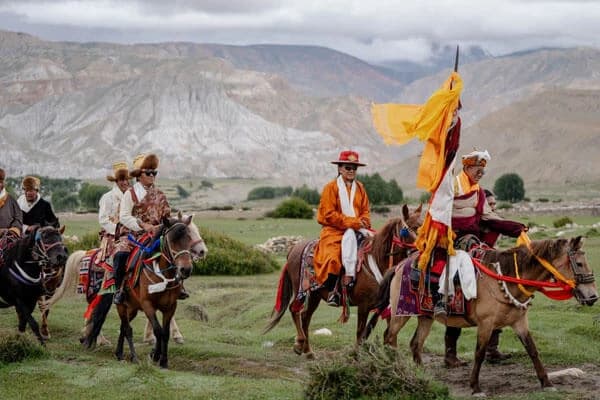
The Manaslu trekking in Nepal is also rich in heritage and culture. Along the trekking trail, you can witness traitional lifestyles, prayer flags fluttering along mani walls and local festivals that have remained largely unchanged for centuries. Trekkers can also explore ancient monasteries, interact with welcoming local communities, and gain insight into the spiritual and cultural heritage of the region.
In addition, the Manaslu Circuit trekking also provide opportunities for adventure and exploration. With rugged trails, suspension bridges over rushing rivers and high passes, it provides a challenging yet rewarding experience for trekkers.
Geographical and Cultural Diversity of Manaslu Circuit
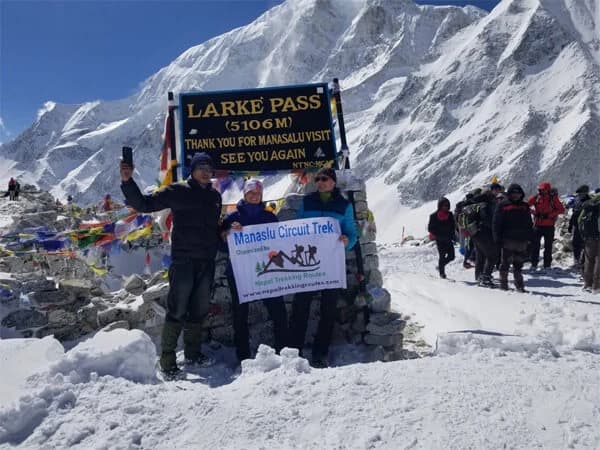
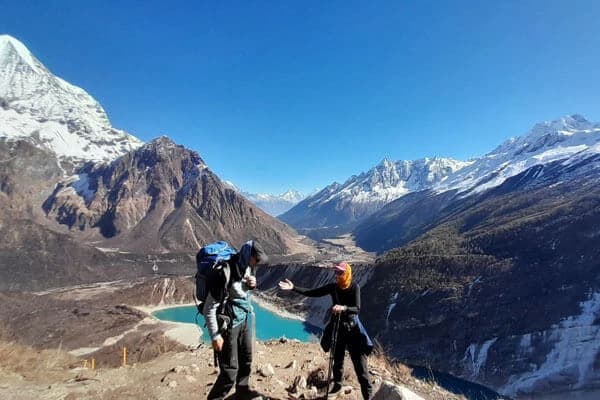
One of the key factors that set the Manaslu Circuit Trekking, apart is its diversity. The trek goes through diverse landscapes from lush subtropical forests and terraced fields to rugged alpine terrain and glacial valleys. It offers awe inspiring views of towering peaks including Manaslu, Himalchuli, and Ngadi Chuli. The trek includes crossing the Larkya La Pass at 5,106 meters which rewards trekkers with stunning panoramic vistas of the Himalayas.
The cultural richness and diversity of the Manaslu region further enhances its appeal. The trek passes through traditional villages inhabited by diverse ethnic groups including Gurungs, Tamangs, and Tibetans. Many of these communities have lifestyles influenced by Tibetan Buddhist traditions. They are reflected by the ancient monasteries, prayer wheels, and mani walls along the trail. The cultural encounter provides a unique perspective of village life untouched by modernity.
Remoteness and Biodiversity of 14 Day Manaslu Circuit Trekking Journey
The Manaslu Circuit Trek in Nepal passes through remote mountain valleys where villages are separated by hours of walking and access to road transport remains limited in many sections. Compared with the trekking routes in the Everest and Annapurna regions, fewer trekkers visit Manaslu. The trail passes through forested river valleys, small farming settlements and high mountain terrain, with fewer commercial facilities along the way.

The Manaslu Conservation Area covers a wide range of habitats, from subtropical forests at lower elevations to alpine scrub and rocky landscapes near the high mountain passes. Bamboo, oak, rhododendron and conifer forests grow in different parts of the region, depending on elevation and local conditions.
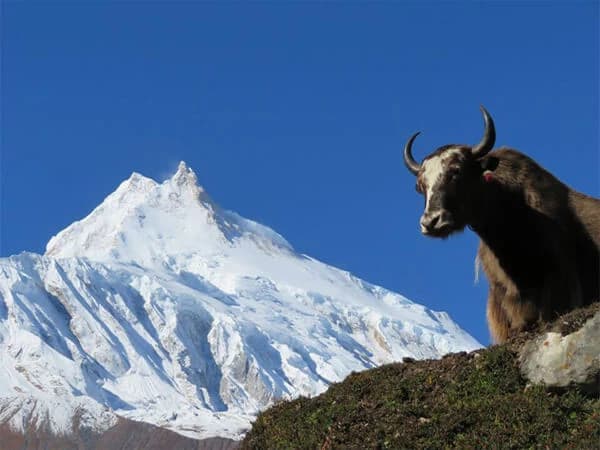
Wildlife includes Himalayan tahr, musk deer and many species of birds. Red pandas and snow leopards also inhabit parts of the conservation area, although sightings are uncommon. The differences in vegetation and wildlife reflect the substantial changes in temperature, rainfall and habitat along the trekking route.
The limited access to parts of the Manaslu region helps preserve areas with relatively little infrastructure, but remoteness does not mean the landscape is untouched by human activity. Local communities use forests, grazing land and agricultural terraces for their livelihoods. Conservation programmes within the region work to protect wildlife and natural resources while supporting sustainable use by local residents.
These factors give the Manaslu Circuit Trek a clear focus on Himalayan ecology, particularly for those interested in forest habitats, high altitude wildlife and the environmental changes found along a long mountain route in Nepal, making it a strong choice among Nepal’s best treks.
Key Highlights of Manaslu Circuit Trek
The Manaslu Circuit Trek highlights include crossing Larkya La Pass, exploring Buddhist monasteries, visiting Birendra Lake, and taking side trips towards Manaslu Base Camp. The route also passes through historic villages and follows sections of an old Himalayan trade corridor.
Crossing Larkya La Pass
At approximately 5,106 metres, Larkya La Pass is the highest point of the trek. The crossing usually begins early from Dharmashala, also known as Larkya Phedi. From the pass, trekkers can see Himlung Himal, Cheo Himal, Kang Guru, and Annapurna II, before descending towards Bimthang. Snow and strong winds can make the crossing more difficult, particularly in poor weather.
Buddhist Monasteries on the Manaslu Circuit
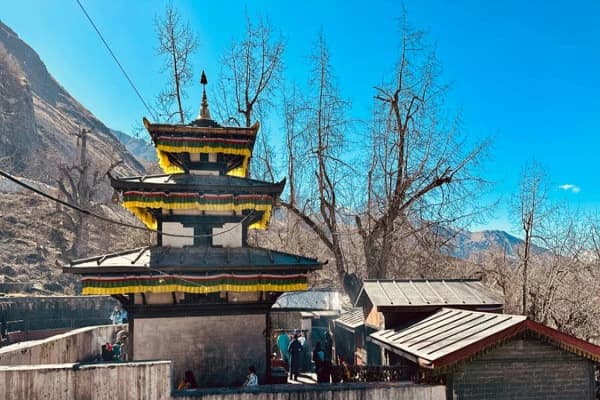
The Manaslu Circuit Trek passes several Buddhist religious sites, including Ribung Gompa in Lho and monasteries in Namrung, Shyala, and Samagaun. Pungyen Gompa, above Samagaun, requires a separate hike and is worth including if your itinerary allows extra time. These sites provide insight into the religious traditions of the Nubri region.
Trekkers extending their journey into Tsum Valley can visit additional sacred sites, including Mu Gompa, Rachen Gompa, and Dephyudonma Gompa. These are not part of the standard Manaslu Circuit route and require extra trekking days.
Birendra Lake and Manaslu Base Camp
Birendra Lake is a glacial lake near Samagaun that can be visited on a short side hike. Those with enough time, suitable acclimatization, and appropriate guidance can also hike to Manaslu Base Camp, a more strenuous excursion at significantly higher altitude. Both are popular options for trekkers spending an additional day in Samagaun.
Budhi Gandaki Valley and Historic Trade Routes
The Budhi Gandaki Valley forms the main corridor through the lower and middle sections of the trek. The route crosses suspension bridges, follows the river through narrow gorges, and passes villages that developed along historic trade links between Nepal and Tibet. This part of the journey also shows how the terrain and vegetation change as the trail climbs towards the upper Manaslu region.
Top Reasons to Choose the Manaslu Circuit Trek
Here are the top reasons to choose the Manaslu Circuit Hiking including its amazing mountain views, serene less crowded trails, remote villages with rich Tibetan culture, ancient monasteries.
Stunning mountain Scenery
The Manaslu Circuit Trekking 14 days provides one of the most spectacular views of mountains in Nepal. Along the trail, you will encounter mountains such as Mount Manaslu, Himalchuli, Ngadi Chuli, and Shringi Himal. These surrounding peaks make your Nepal trekking journey worth your time and money.

Complete a Full Himalayan Circuit
The Manaslu Circuit Trek follows a loop from the lower Budhi Gandaki region towards Dharapani, where the route connects with the Annapurna trekking network. You experience a changing route rather than returning along the same trail. This makes the journey appealing to hikers who enjoy point to point trekking and seeing how Nepal’s mountain geography changes across a single expedition.
Add Side Trips Beyond the Main Trail
Extra days around Samagaun allow time for excursions to Birendra Lake or Manaslu Base Camp, depending on fitness, acclimatization, and weather. Trekkers with a longer itinerary can also consider the Tsum Valley Trek, which explores a separate Himalayan valley known for its spiritual history and remote villages. Tsum Valley requires additional days and separate planning, so it should not be treated as part of the standard circuit.
Experience Different Stages of Mountain Life
The route passes through areas where farming and river valley communities give way to settlements shaped by colder conditions and a shorter growing season. This change is visible in the crops cultivated, building materials, available supplies, and daily routines. It gives the trek an added geographical dimension beyond the mountain views.
Plan a Trek With Local Support
The Manaslu Circuit requires advance arrangements for permits, transport, accommodation, and a licensed guide. Booking through an experienced local operator can help coordinate these details, organise acclimatisation days, and adjust plans if weather or trail conditions change. The Manaslu Round Trek 14 days provides one option for travellers who want these arrangements organised before arriving on the trail.
Combine Manaslu With Other Himalayan Adventures
Manaslu can form part of a longer Nepal trekking holiday. Depending on available time and fitness, trekkers may plan a separate trip to Tsum Valley, Ganesh Himal, or the Annapurna Circuit. These are distinct routes, not automatic extensions of the Manaslu Circuit, and each requires its own itinerary and logistical planning.
Eco Tourism and Conservation in Manaslu Round Trekking
The Manaslu Round Trek 14 days passes through the Manaslu Conservation Area, established in 1998 to protect the region’s wildlife, forests and natural resources. Covering 1,663 square kilometres, the conservation area supports around 2,000 plant species, 39 recorded mammal species, 201 bird species, 3 reptile species and 11 butterfly species, according to the National Trust for Nature Conservation.
Wildlife includes snow leopards, red pandas, Himalayan tahr and musk deer, although sightings are not guaranteed during the trek. Responsible trekking helps reduce pressure on these habitats. Carrying rubbish out, avoiding single use plastics and respecting local forest resources are practical ways to limit environmental impact.
Tourism also provides income for villages along the route through teahouse accommodation, meals, local guides and porters. Booking local services and following conservation guidelines helps ensure that trekking benefits residents while supporting the protection of the Manaslu region. The route remains one of the notable options for responsible trek in Nepal.

What are the Manaslu Circuit Trekking Challenges and Difficulties?
The Manaslu Circuit trek difficulty mainly comes from high altitude, the long ascent to Larkya La Pass, remote trail conditions and limited facilities in some villages. The trek reaches approximately 5,106 metres at Larkya La, where thin air, cold temperatures and snow can make the crossing physically difficult. Previous trekking experience helps, but good fitness, suitable equipment and a well planned itinerary are equally important.
Physical Fitness for the Manaslu Circuit Trek
The Manaslu Circuit includes steep stone staircases, uneven trails and sustained uphill climbs. The approach to Larkya La is particularly tiring, with altitude making each step more strenuous than it would be at lower elevations. Training with uphill walks, stairs and a loaded daypack can help prepare your legs and cardiovascular system for the trek.
Teahouse Accommodation and Limited Facilities
Accommodation on the Manaslu Circuit is mostly in local teahouses, with simple rooms, basic bedding and shared bathrooms in many places. Hot showers, WiFi and battery charging may cost extra, and availability can be limited in higher villages. Meal choices are usually sufficient for trekkers, although fresh produce and other supplies become harder to transport into remote settlements. Carry cash for additional expenses because card payments are generally not available along much of the route.
Altitude Sickness on the Manaslu Circuit Trek
Altitude sickness is a serious concern above 2,500 metres, particularly as the route approaches Samagaun and the higher camps beyond it. Most Manaslu trek itineraries include an acclimatization day at Samagaun, around 3,530 metres, to help the body adjust before gaining more altitude. Headache, nausea, dizziness and unusual tiredness can indicate acute mountain sickness.
Never continue ascending with these symptoms. If they worsen or signs of severe altitude illness develop, descend immediately and seek medical assistance. Acclimatization reduces risk but cannot guarantee prevention.
Rocky Trails, Landslides and Larkya La Pass
Sections of the Manaslu route follow narrow paths above the Budhi Gandaki River, cross suspension bridges and pass through areas affected by landslides or falling rocks. Trail conditions can deteriorate after heavy rain, so local advice is important before setting out. The Larkya La crossing is the toughest part for many trekkers because of the high elevation, cold exposure and prolonged climb. Snow and ice may also affect the route, depending on the season.
Weather and Cold Conditions in the Manaslu Region
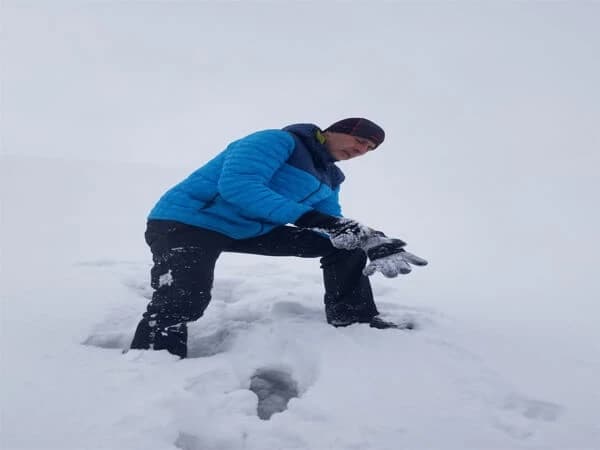
Lower villages can be warm during the day, while nights near Samdo, Dharamsala and Larkya La can be bitterly cold. Snowfall, strong winds and sudden temperature drops may delay or prevent the pass crossing. Monsoon rain can cause landslides and damage trails, while winter snow may make the upper route difficult or temporarily impassable. A waterproof shell, insulated jacket, warm gloves, thermal layers and reliable trekking boots are essential for the Manaslu Circuit Trek.
Choose the right season, prepare physically by starting pre trek fitness training, and pack essential gear for a better experience. Plan your trek with a reputable trekking agency like Nepal Trekking Routes. They provide professional guides to navigate the remote trails and handle logistics.
Manaslu Circuit Trek vs. Everest Base Camp and Annapurna Circuit Trek
Nepal has several world class trekking routes, but the Manaslu Circuit Trek, Everest Base Camp Trek, and Annapurna Circuit Trek deliver three distinctly different journeys. The biggest differences lie in the destinations, mountain views, trail access, cultural encounters, and the challenges involved. Comparing these treks helps explain what makes the Manaslu Circuit Trek stand out among Nepal's major Himalayan adventures.
Manaslu Circuit Trek vs. Everest Base Camp Trek
The Everest Base Camp Trek follows the Khumbu Valley through Phakding, Namche Bazaar, Tengboche, Dingboche, and Gorakshep before reaching Everest Base Camp at 5,364 metres. The route offers views of Mount Everest, Ama Dablam, Lhotse, and Nuptse, alongside Sherpa villages and historic monasteries. The Everest region also has other popular routes, including the Gokyo Lakes Trek, famous for its turquoise glacial lakes and views from Gokyo Ri, and the Everest Three Passes Trek, which crosses three high Himalayan passes.
The Manaslu Circuit Trek circles Mount Manaslu, the world's eighth highest mountain at 8,163 metres. From the Budhi Gandaki Valley to the villages of Lho, Samagaun, and Samdo, the route leads to Larkya La Pass at approximately 5,106 metres. Everest Base Camp Trek follows an out and back route to a famous mountaineering destination but Manaslu forms a circuit through a distinct Himalayan region. It also requires a restricted area permit and a registered guide, with access beginning by road from Kathmandu rather than a flight to Lukla.
Manaslu Circuit Trek vs. Annapurna Circuit Trek
The Annapurna Circuit Trek crosses Thorong La Pass at approximately 5,416 metres, and links the Manang region with Muktinath and the Mustang area. Its major attractions include views of Annapurna and Dhaulagiri, the high altitude landscapes around Manang, and the sacred Muktinath Temple. Road development has changed parts of the traditional route, so current itineraries may include road sections or vehicle transfers.
The Manaslu Circuit Trek follows the Budhi Gandaki Valley through the Nubri region before crossing Larkya La Pass and descending towards Bimthang and Dharapani. The route features Mount Manaslu, remote mountain villages, and fewer trekking crowds on many sections. Although both treks involve high passes and altitude challenges, the Manaslu route has stricter permit requirements and more limited facilities in some upper villages.
The Main Difference Between These Three Nepal Treks
The Manaslu Circuit Trek is a full circuit around Mount Manaslu, with Larkya La Pass as its major crossing. The Everest Base Camp Trek focuses on the Khumbu Valley, Everest Base Camp, and the surrounding world's highest peaks. The Annapurna Circuit Trek links the Manang and Mustang regions across Thorong La Pass.
These differences affect the route, logistics, cost, and overall trekking experience. Comparing the actual itinerary, daily walking hours, acclimatization days, transport, permit fees, and accommodation is more useful than judging a trek by its popularity or highest elevation alone.
What Does the Manaslu Circuit Trek Offer That Other Treks Do Not?
The Manaslu Circuit Trek stands apart through a rare combination of government controlled access, enduring local traditions, and a mountain environment that remains relatively remote. The restricted area rules require foreign trekkers to arrange permits through a registered trekking agency and travel with a licensed guide. These requirements also make preparation and local knowledge important parts of the journey.
The upper Nubri region has strong historical and cultural links with Tibet, visible in its architecture, religious customs, and traditional way of life. The area’s geographic isolation has helped retain cultural practices that have changed considerably in more accessible parts of Nepal. For visitors interested in Himalayan heritage, Manaslu provides context that goes beyond visiting monasteries or photographing mountain villages.
Another defining feature is the transition from the lower Budhi Gandaki corridor to the high alpine terrain beyond Larkya La Pass. The route connects different ecological zones and communities in a single journey, revealing how sharply climate, vegetation, and ways of life change with altitude. This combination of restricted access, cultural continuity, and geographical variety gives the Manaslu Trek a character of its own among Nepal’s major trekking routes.
Who Should Choose the Manaslu Circuit Trek?
The Manaslu Circuit Trek requires strong physical fitness, stamina for long walking hours, and the ability to handle high altitude and cold temperatures. Previous trekking experience is helpful, especially for understanding how your body responds to long climbs and changing weather. You should also be comfortable staying in basic teahouses with limited facilities in remote areas.
It is a strong option for experienced hikers looking for a longer challenge than the Langtang Valley Trek or Ghorepani Poon Hill Trek. Anyone willing to train beforehand, accept basic mountain accommodation, and follow their guide’s safety advice can consider this trek. Those uncomfortable with prolonged walking, cold nights, or limited facilities may prefer a shorter route such as the Mardi Himal Trek.
Conclusion: Why Is the Manaslu Circuit Trek One of the Best Treks in Nepal?
The Manaslu Circuit Trek offers a rare combination of remote mountain settlements, changing vegetation, traditional stone villages and a high altitude crossing beneath Mount Manaslu, the world's eighth highest mountain. Its restricted trekking area, fewer visitors and limited road access preserve a different character from Nepal's more developed trekking destinations.
For those prepared for basic teahouse facilities, altitude and the physical demands of Larkya La Pass, the 14 day Manaslu Circuit Trek is a strong choice for exploring a less commercialized part of the Nepal Himalayas.