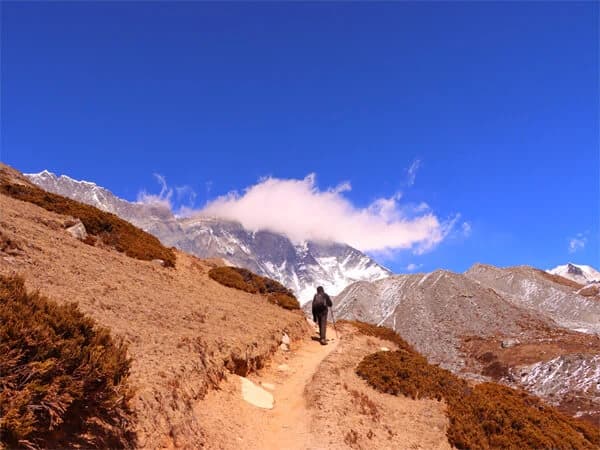
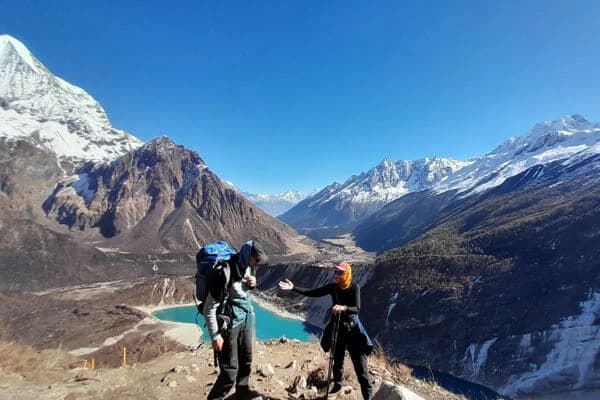
Can you imagine standing at the foot of Mount Everest, looking up at the world’s highest peak, feeling the cold Himalayan air on your face, and hearing the quiet hum of the mountains all around you? It is the dream of many trekkers,trekking to Everest Base Campat least once in their lifetime. Every step to EBC along the trail brings you closer to breathtaking views, charmingSherpa villages, and the kind of quiet moments in nature that stay with you forever.
If this is the adventure you’ve been dreaming of, you’re in the right place. In this guide, you will get everything you need to know from the best time to go and how long it takes, to what to pack and the little tips that make the trek smoother. Think of it as a friendly companion helping you prepare, so you can focus on enjoying every magical moment of your Everest journey.
Why Trek to Everest Base Camp in Nepal?
Everest Base Camp is not only about reaching the base camp of Mount Everest but truly living in the moment in every way possible. Along the way, everything you see feels surreal, the towering peaks, the icy glaciers, the rushing rivers, and the fluttering prayer flags. You’ll be surrounded by some of the highest mountains on Earth, where every view makes your heart skip a beat. As you walk, you might spot rare wildlife, bright Himalayan flowers peeking through the rocks. Some of it feels almost dreamlike, like the mountains themselves are welcoming you on this journey.
The villages you pass through are just as magical. Small and beautiful, they are filled with warm smiles, laughter, and the simple joy of daily life. The local people will greet you like an old friend, sharing their stories of the mountains and inviting you to taste their home-cooked meals, fresh bread, warm soups, and steaming cups of butter tea. Every interaction makes you feel like you are part of their world, even if just for a day, and every smile makes you forget the aches of the trail.
And yes, the trek is challenging too. Breathing in the thin, crisp air at high altitudes will test your stamina, and some days the steep paths may feel endless. But there is a quiet beauty in moving slowly, taking in the sound of the wind, the crunch of gravel under your boots, and the majesty of peaks you’ll never see anywhere else. Each step becomes a part of the experience, a way to live fully in the moment rather than just racing to the destination.
Along the way, the moments of stillness are unforgettable. Watching the sunrise light up the jagged peaks, the soft glow of prayer flags in the morning breeze, or the golden sunset over distant glaciers, it’s like the Himalayas are painting their own story for you. The trek is not just a physical journey but a journey for the senses, the mind, and the soul.
When is the Best Time to Trek to Everest base camp?
So, you might have already decided to trek to Everest Base Camp, but the time you choose can really shape your experience. Each season has its own personality, and every season shows the mountains in a different way.
Most trekkers prefer spring or autumn for their journey. In spring (March-May), the skies are usually clear, the temperatures are comfortable, not too hot, not too cold and the trail comes alive with blooming rhododendrons, painting the rocky paths with shades of red, pink, and orange. It feels like the mountains themselves are celebrating your arrival. Autumn (late September-November) is another favorite: the air is crisp, the skies are blue, and the mountains appear sharper, closer, almost like they’re reaching out to greet you. The only catch is that it’s the busiest season, so you might share the trail with more trekkers. so Spring and Atumn are the best season for EBC trekking
Winter (December-February) is quieter and peaceful, with snow-dusted peaks and fewer travelers, but the cold can be intense, and some trails can get tricky under icy patches. Monsoon (June-August) transforms the mountains into a lush, green paradise, but the rain makes trails slippery, and clouds often hide those spectacular peaks you’ve been dreaming of.
How Long Does the Everest Base Camp Trek Take?
Mount Everest Base Camp trek takes about 12 to 15 days to complete the classic round trip from Lukla to EBC and back. From the moment you land at Lukla’s tiny airport, the gateway to your trekking adventure, you’ll feel like you’re stepping into another world. The short flight itself is unforgettable, offering aerial views of the mountains and valleys below for about 20 minutes before you begin your trek from Phakding. From there, your journey gradually takes you higher through forests, rivers, and valleys, crossing those iconic suspension bridges along the way.
Namche Bazaar is often the first major stop, a lively village perfect for rest, exploration, and letting your body adjust to the thinner air. Namche Bazaar is a stunning popular village, usually the very first stop for your acclimalization. You can rest, explore and let your body adjust to thinner air. From there, you move higher to Tengboche, Dingboche, Lobuche and finally Gorak Shep before reaching the iconic Everest Base Camp.
Along the way, you’ll also need a few rest and acclimatization days.Spending time at higher altitudes helps your body adjust to the thin air, and it’s a perfect excuse to linger in quiet villages, soak in the views, and sip a hot cup of butter tea while watching the mountains glow at sunset.
The return journey takes almost as long as the ascent, but you’ll notice something magical: the mountains you climbed past suddenly feel familiar, like old friends waving goodbye. By the time you step back in Lukla, the trek might be ending but the memories, the views, and the feeling of having truly lived among the world’s highest peaks stay with you forever.
What to Expect on the EBC Kalapatthar Trek?
Trekking to Everest Base Camp is like stepping into a living storybook every day and bringing something new. Your journey usually begins with a thrilling flight to Tenzing-Hillary Airport, as it is one of most dangerous airports in the world. From there, you’ll start on gentle trails through forests and rivers, cross swinging suspension bridges that make your heart skip a beat, and gradually climb higher into rocky valleys and open mountain vistas. Along the way, the scenery changes constantly, keeping your eyes and camera busy.
The villages along the route are full of charm and character. Sherpa towns like Namche Bazaar, Tengboche, and Dingboche welcome you with warm smiles, tea, and stories about the mountains. In those villages, you'll get a real feel of sherpa culture and their traditions, prayer flags fluttering in the wind, monasteries perched on hillsides, mani walls with Tibetan inscriptions, and yaks grazing peacefully in fields. Keep your eyes open, you might spot the colorful Himalayan Monal, nimble Himalayan Tahr, or even catch the sunrise glinting off snowcapped peaks. A highlight along the way is a visit to Everest View Hotel, where you can enjoy one of the first clear views of Everest while sipping a warm drink.
As you go higher, the air gets thinner and walking becomes slower. That’s part of the trekking adventure in Nepal, it gives you time to soak in the mountains, feel the crisp himalayan air, and enjoy the rhythm on the trail. Nights are spent in cozy tea houses where you can rest, eat a warm meal and share stories to fellow trekkers.
Accommodation varies from simple budget tea houses with shared bathrooms to luxury lodges with warm rooms and delicious meals. Hot showers aren’t guaranteed, toilets can be basic, and some days you’ll carry your own water but all of this adds to the charm of the trek.
By the time you reach Everest foothill Camp, you’ll realize the trek isn’t just about standing at the foot of the world’s highest mountain. It’s about the journey, the people you meet, the wildlife you spot, the villages you wander through, and the small magical moments that make the Himalayas feel alive. Every step is part of the adventure, and every moment becomes a memory you’ll never forget.
What is the price for an EBC trek?
The cost of trekking to Everest Base Camp can vary quite a lot, it really depends on how you want to experience the journey. But to give you a simple idea, most trekkers spend somewhere between $1,200 to $2,200 for a standard 12 to 14 day trek.
If you’re going more budget-friendly trekking, keeping things simple with basic tea houses and shared services, you can complete the trek for around $1,000-$1,400.
On the other hand, if you want more comfort, better lodges, a private trekking guide, and smoother logistics the price usually goes up to $1,800-$2,500.
And if you’re dreaming of aluxury trekking experience with premium lodges and extra services, it can go beyond $3,000+.
But what really makes up the cost? It’s not just one thing it’s a mix of small and big expenses along the way:
- Flight to Lukla: one of the biggest costs (around $350-$500 round trip)
- Permits: around $40-$70 total
- Guide & Porter: daily cost depending on services
- Food & Accommodation: gets more expensive as you go higher
- Extras: WiFi, hot showers, charging, snacks, tips
The interesting part is, you can shape the trek based on your budget. You can go simple and raw, living the mountain life with basic tea houses, or you can make it more comfortable and relaxed.
At the end of the day, it’s not just about how much you spend, it’s about what you experience. Whether you go budget or luxury, standing at mount Everest Base Camp, surrounded by those massive peaks, feels priceless.
What are the major highlights of the Everest trek?
The Everest Base Camp trekking in Nepal is filled with moments that stay with you long after the journey ends. It’s not just one highlight, it's a collection of experiences that slowly build up as you walk deeper into the Himalayas.
One of the first big highlights is Namche Bazaar, a lively mountain town surrounded by peaks. It’s the perfect place to rest, explore small cafes, and catch your first clear views of Everest in the distance. As you move higher, you’ll reach Tengboche Monastery, a peaceful spot with one of the most beautiful backdrops in the region, where mountains rise all around you.
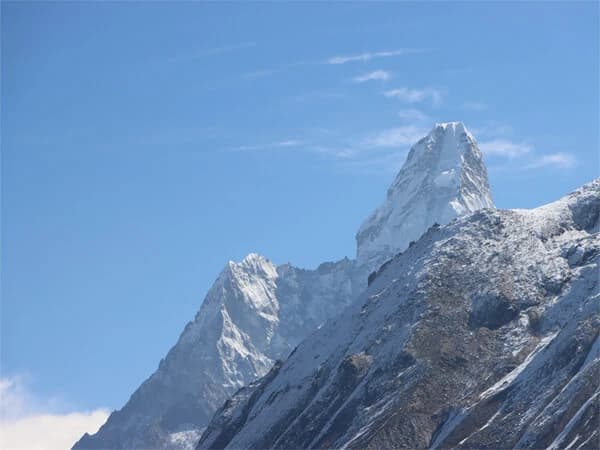
Then comes the feeling of walking closer and closer to the giants. Peaks like Everest, Lhotse, Ama Dablam, and Nuptse don’t just sit in the distance they start to feel near, almost within reach. The landscapes change from green forests to open, rugged terrain, making every day feel different from the last.
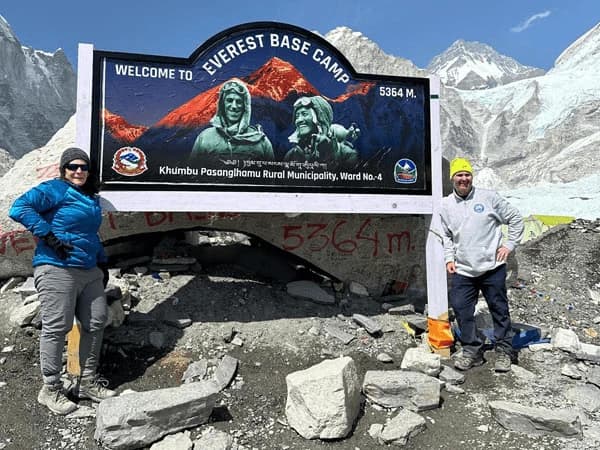
Of course, the biggest highlight is reaching Everest Expedition itself. Standing there, surrounded by glaciers and prayer flags, knowing you’ve walked all the way up, is something hard to describe, it’s a mix of pride, excitement, and quiet awe.
Another unforgettable moment is the hike to Kala Patthar. Waking up early and watching the sunrise hit Everest, turning it golden, is one of those views you’ll never forget. It’s often said this is the best viewpoint of the entire trek and once you see it, you’ll understand why.
But beyond the famous spots, the real highlights are the small moments, the sound of prayer flags in the wind, sharing tea with locals, spotting yaks along the trail, and those quiet pauses where you just stop and take in the mountains around you. That’s what truly makes the Everest trek special.
Is the Everest Base Camp Trek Hard?
The EBC trekking is not easy but it’s also not impossible. It sits somewhere in between, where it challenges you just enough to make the journey feel truly rewarding. You don’t need to be a professional trekker, but you do need a decent level of fitness, patience, and the willingness to keep going one step at a time.
The real challenge isn’t the trail itself, it’s the altitude. As you go higher, the air gets thinner, and even simple walks can start to feel tiring. You’ll be trekking for 5–8 hours a day, sometimes on steep and rocky paths, and your body will take time to adjust. That’s why acclimatization days are so important they give you time to rest, breathe, and let your body slowly adapt.
There will be moments when your legs feel heavy, your breath feels short, and the trail seems endless. But at the same time, there’s something special about moving slowly in the mountains. You start to notice everything, the sound of the wind, the silence of the peaks, and the beauty around you that you might otherwise miss.
The good part is, the trek is very manageable if you go at your own pace. You don’t have to rush. In fact, the slower you go, the better your experience will be. With proper preparation, a steady rhythm, and a positive mindset, most people can complete the trek without any problems.
So yes, it’s challenging but it’s the kind of challenge that makes reaching Everest Base Camp feel incredibly meaningful. And once you’re there, every step, every struggle, and every moment along the way feels completely worth it.
Practicalities for the Trek to Everest Base Camp
Before you head off on this dream trek, there are a few practical things you’ll want to sort out. Nothing too complicated, but knowing these small details can make your journey much smoother and more enjoyable.
First, think about whether you want to trek with a guide or independently. While it’s possible to go solo, many trekkers prefer having a guide or porter. It just makes things easier since you don’t have to worry about routes, accommodations, or language barriers, and you also get to learn more about the places you pass through.
Accommodation along the trail is mostly in tea houses. In the lower regions, you’ll find more options, sometimes even with comfortable rooms and better facilities. As you go higher, things get simpler with basic rooms, shared bathrooms, and limited electricity. During peak seasons, it’s a good idea to book in advance or start your day early to secure a spot.
When it comes to money, cash is everything. There are no ATMs once you’re on the trail except in Namche Bazaar, so make sure you carry enough Nepalese Rupees for food, accommodation, charging devices, WiFi, and small extras. Prices also increase as you go higher, so it’s better to be prepared.
Connectivity is limited but not completely gone. Some tea houses offer WiFi for an extra cost, and mobile networks may work in certain areas. Still, it’s best to expect slow or no connection at times, and honestly, that’s part of the experience.
You’ll also notice that daily comforts are simple. Hot showers aren’t always available, charging your phone may cost extra, and toilets can be basic. But once you get used to it, these little things become part of the adventure rather than a problem.
In the end, the trek is all about keeping things simple. With a bit of preparation, a flexible mindset, and a willingness to adjust, you’ll find that everything you truly need is already there, beautiful trails, warm people, and an experience you’ll never forget.
Everest Base Camp trek Permits and Paperwork
Before you start your Nepal Everest Base Camp trek 15 days, there are a couple of permits you’ll need to take care of. It might sound a bit official, but the process is actually quite simple, especially if you’re trekking with a guide or agency.
The main permit you’ll need is the Sagarmatha National Park Permit, since the entire trekking route falls inside this protected area. This helps preserve the natural beauty and wildlife of the region. Along with that, you’ll also need the Khumbu Pasang Lhamu Rural Municipality Permit, which has replaced the old TIMS card for this region.
You can get these permits either in Kathmandu or at the entry points along the trail, and your trekking guide or trekking agency will usually arrange everything for you. If you’re going independently, just make sure to carry your passport and a few passport-sized photos, as they may be required during the process.
There are also checkpoints along the trail where your permits will be checked, so keep them safe and easily accessible. It’s just a small part of the journey, but an important one, making sure your trek is safe, legal, and well-managed.
Once that’s sorted, you’re all set to focus on what really matters, enjoying the mountains, the journey, and every step along the way.
Should You Trek Solo or With a Guide?
This is one of the most common questions people have before heading to Everest Base Camp. Honestly, there’s no single right answer. It really depends on the kind of experience you’re looking for.
Trekking with a guide makes the journey a lot smoother and more relaxed. You don’t have to worry about finding the right trail, booking tea houses, or handling unexpected situations. A guide also adds a deeper layer to the experience by sharing stories, local culture, and insights about the mountains that you might not notice on your own. If it’s your first time trekking in Nepal, having a guide can give you extra confidence and peace of mind.
On the other hand, trekking solo has its own kind of magic. You get complete freedom to walk at your own pace, stop whenever you want, and fully take in the journey in your own way. It can feel more personal and reflective, especially in a place as peaceful as the Himalayas. But it also means you need to be more prepared, plan your route carefully, and handle everything on your own.
Many trekkers also choose a middle option, going with a porter while trekking independently. This way, you still have your freedom, but without the burden of carrying a heavy backpack every day.
In the end, both options lead you to the same place, the foot of Everest. It’s just about how you want to experience the journey getting there.
What to pack for Everest Base Camp?
You don’t want to carry too much, but also don’t want to miss the essentials because once you’re on the trail, there are limited options to buy things.
Firstly, start with clothing layers. The weather changes quickly in the mountains, so layering is the main key for the trek. Bring thermal base layers, a warm fleece or jacket and a good down jacket for cold mornings and nights. A waterproof jacket is also important in case of wind or unexpected rain. Comfortable trekking pants, gloves, a warm hat and a buff or scarf will make a big difference as you go higher.
For your feet, a good pair of trekking boots is one of the most important things. Make sure they’re already broken in before the trek to avoid blisters. Pack a few pairs of warm socks and maybe a pair of light shoes or slippers for evenings at tea houses.
In terms of gear, a comfortable backpack, trekking poles, reusable water bottles, and a headlamp are very useful. A sleeping bag is recommended especially for higher altitudes where nights get really cold. Sunglasses and sunscreen are must haves too , as the sun can be strong even in cold weather.
Also, don’t forget your personal items like basic toiletries, wet wipes, hand sanitizer and a small first aid kit. It’s also a good idea to carry water purification tablets or filter bottles so you can safely drink water along the way.
Keeping your packing light but thoughtful. You’ll be carrying your bag or relying on a porter, so every extra item matters. In the end, it’s not about having everything, it’s about having just enough to stay warm, comfortable and ready to enjoy the journey.
What Will You Eat on the Everest Base Camp Trek?
Oh, that’s something you might be most curious about, the food you’ll have along the trail. Food on the trek is simple, but somehow it tastes better after a long day of walking. There’s something about sitting down in a warm tea house, tired but happy, and enjoying a hot meal while the cold mountain air lingers outside.
You’ll mostly find dishes like dal bhat, noodles, soups, fried rice, and even pancakes in some places. Dal bhat is the most common and reliable choice. It's filling, warm, and gives you the energy to keep going. And the best part? You can often get refills, which is exactly what you need after hours on the trail.
As you go higher, the menu becomes simpler and prices slowly increase, but the experience stays special. A warm cup of tea in your hands, good food in front of you, and the mountains all around it’s one of those small moments that quietly becomes a highlight of the journey.
Health and Safety Guide for Everest Base Camp trek
Taking care of your health is one of the most important parts of the Everest Base Camp Trekking in Nepal. The mountains are beautiful, but they also demand good physique especially when it comes to altitude and weather.
The biggest thing to watch out for is altitude sickness. As you go higher, the air gets thinner, and your body needs time to adjust. That’s why acclimatization days at places like Namche Bazaar and Dingboche are so important. Walk slowly, don’t rush, and listen to your body. If you feel symptoms like headache, dizziness, or nausea, it’s always better to rest or go down rather than push forward.
Staying hydrated and well-fed makes a huge difference. Drink plenty of water throughout the day and eat regular meals, even if your appetite drops a little at higher altitudes. Warm soups, tea, and simple meals help keep your energy up.
Basic hygiene is also important on the trail. Carry hand sanitizer, wash your hands when you can, and be mindful of the water you drink. Using boiled or purified water helps avoid stomach issues that can ruin your trek.
Always be prepared for the weather in the mountains as it can change quickly. So dress in layers to keep yourself warm and protect your skin with sunscreen and sunglasses. Even when it feels cold, the sun can be strong at higher altitudes.
It’s also a good idea to have travel insurance that covers high-altitude trekking and emergency evacuation. Hopefully you won’t need it, but it gives peace of mind knowing you have covered if anything unexpected happens.
In the end, staying safe on the trek is all about going slow, being prepared and paying attention to your body. Do that, you’ll be able to fully enjoy the journeys, the mountains and every moment along the way.
Common Mistakes to Avoid on the Everest Base Camp trekking trails
A lot of trekkers make small mistakes on the Nepal Everest Base Camp trail, and the good thing is most of them are easy to avoid if you’re a little mindful.
One of the biggest mistakes is walking too fast. It’s easy to get excited in the beginning and push yourself, but at high altitude, slow and steady is always better. The faster you go, the harder it becomes for your body to adjust. Take your time, enjoy the views, and let your body move at its own pace.
Another common mistake is overpacking. Before the trek, it feels like you might need everything, but once you start walking, every extra kilo feels heavier. Keeping your bag light makes a huge difference, especially on long trekking days. Stick to the essentials and you’ll thank yourself later.
Not carrying enough cash can also catch people off guard. There are very limited ATMs along the route, and prices increase as you go higher. From food and accommodation to charging your phone or getting WiFi, everything adds up. It’s always better to carry a little extra than to run out midway.
And most importantly, ignoring signs of altitude sickness is something you should never do. Headaches, dizziness, nausea, or unusual tiredness are signals your body is giving you. Don’t ignore them or try to push through. Rest, hydrate, and if needed, descend. It’s always better to be safe than regret it later.
At the end of the day, the trek is not about rushing or proving anything. It’s about enjoying the journey, staying safe, and making sure you come back with good memories instead of problems.
Conclusion: Trek to Everest Base Camp?
Trekking to Everest Base Camp is more than just a journey to a place, it’s a journey into an experience that stays with you long after you’ve returned. From the first step on the trail to the moment you stand at the foot of Mount Everest, every part of the trek becomes a memory you carry with you.
It’s in the quiet mornings, the long walks, the laughter in small tea houses, and the feeling of being surrounded by something so much bigger than yourself. The mountains don’t just show you their beauty, they slowly teach you patience, simplicity, and the joy of living in the moment.
There will be challenges along the way, but that’s what makes it all the more meaningful. Every step you take, every breath in the thin mountain air, brings a sense of achievement that’s hard to explain until you experience it yourself.
And in the end, you might realize something unexpected. It’s not just about reaching Everest Base Camp. It’s about everything you felt, saw, and lived along the way. The journey changes you in small, quiet ways, and leaves you with stories that you’ll find yourself telling again and again.
So if this trek has been sitting somewhere in your dreams, maybe it’s time to turn it into a plan. The mountains are there, waiting, and your journey is just one step away.