The Manaslu Circuit Trek is known for its dramatic Himalayan peaks, remote mountain villages, and the challenging crossing of Larkya La Pass. But some of the most memorable places along this Nepal trekking route are found away from the main trail, where a short detour can lead to a quiet monastery, a secluded lake, or a village that few trekkers take the time to explore.
Beyond the familiar stops of Samagaun and Samdo, the Manaslu region hides places such as Lokpa, the gateway to Tsum Valley, and lesser visited monasteries tucked into the mountains. These are not just extra stops for photographs. They offer a closer look at local life, Buddhist traditions, and the landscapes that make trekking in this part of Nepal so distinctive.
If you want to see more than the standard Manaslu Circuit itinerary, these hidden gems are worth knowing about. Here are the places to look for, what makes each one special, and what you should know before adding them to your trek.
Why choose the Manaslu Circuit for Hidden Adventures?
The Manaslu Circuit Trek in Nepal combines mountain scenery with cultural experiences that distinguish it from many other trekking routes in Nepal. The trail passes through the Manaslu Conservation Area, where traditional villages, Buddhist religious sites and changing vegetation reflect the region's varied geography and cultural history.
Compared with popular routes such as the Annapurna Circuit Hiking and Everest Base Camp Trek, the Manaslu Circuit offers access to communities and valleys that receive fewer visitors in many seasons. Visitor numbers vary throughout the year, but the region remains particularly interesting for travelers who want to explore traditional mountain settlements alongside the main trekking route.
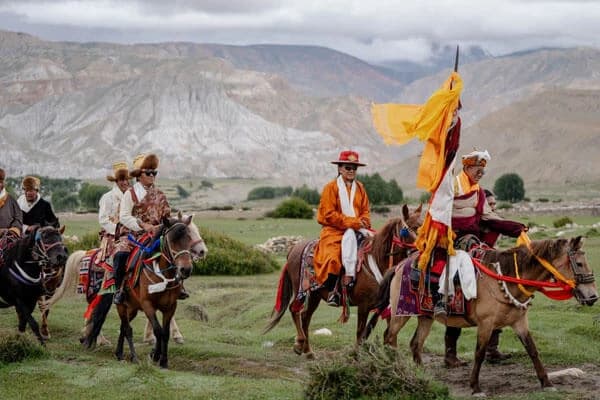
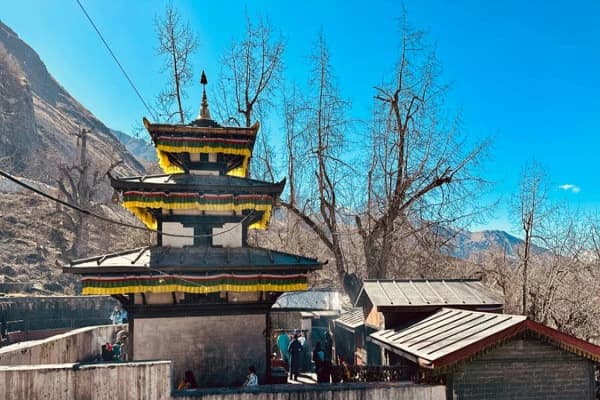
Tibetan Buddhist heritage is an important part of the experience. Prayer flags, mani walls, chortens, monasteries and traditional stone houses appear throughout the Nubri Valley and other communities along the route. These features are part of everyday religious and cultural life rather than attractions created specifically for tourists.
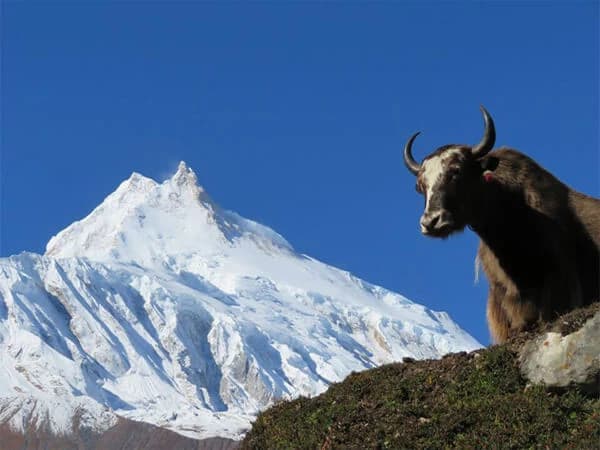
The natural environment also changes considerably during the trek. Lower elevations contain forests and river valleys, while higher sections feature subalpine vegetation, glacial landscapes and mountain passes. The Manaslu Conservation Area supports wildlife including Himalayan blue sheep, musk deer and numerous bird species. Although sightings are never guaranteed, the region's biodiversity adds another reason to explore beyond the most familiar viewpoints.
Hidden Gems around the Manaslu Circuit Trek
The best places to visit on the Manaslu Circuit Trek are not all reached in the same way. Birendra Lake and Pungyen Gompa are popular excursions from Samagaun, while the Tsum Valley requires a separate route and additional time. Other destinations, including Rupina La Pass and Ganesh Himal Base Camp, should be planned as distinct Nepal trekking itineraries rather than assumed to be short detours from the circuit.
Kal Tal: A Hidden Lake Above Prok Village
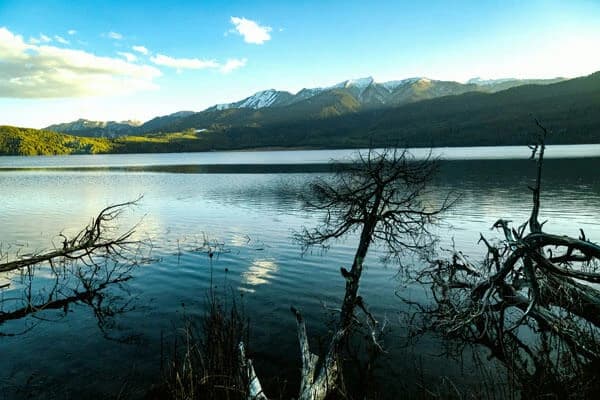
Kal Tal Manaslu, also known as Kalchhuman Tal, is a mountain lake above Prok Village, between Deng and Namrung on the Manaslu Circuit. Unlike Birendra Lake, which is a familiar stop near Samagaun, Kal Tal requires a separate climb through forested hills. The excursion can take several hours, depending on the route and conditions, making it worth allowing extra time in the itinerary.
The lake is a strong choice for anyone looking for hidden lakes in the Manaslu region beyond the main trekking trail. Prok Village is part of the experience, with traditional mountain houses and views across the surrounding valley. Among the lesser known places in the Manaslu region, Kal Tal stands out because reaching it requires a deliberate detour rather than a short walk from the main route.
Serang Gompa: A Remote Buddhist Monastery
Serang Gompa Nepal is a Buddhist monastery in the Nubri Valley, reached by a side route branching near Bihi. Set apart from the standard Manaslu Circuit, the monastery provides an opportunity to see a religious site that receives fewer visitors than the better known gompas near Samagaun and Lho.
Reaching Serang Gompa requires additional trekking time, and itineraries commonly allow several extra days for the detour and return to the main route. Its significance lies in its continuing Buddhist traditions and its connection to the communities of Nubri Valley. For anyone researching cultural insights on the Manaslu Circuit Trek, Serang Gompa is a more substantial addition than a monastery visited briefly along the main trail.
Hinang Gompa: A Monastery Near Lihi Village
Hinang Gompa Manaslu lies above Lihi Village in the Nubri region. The monastery is reached by leaving the main trekking route and following a side trail toward Hinang Valley, beneath the high mountains around Himalchuli. It offers a closer look at the area's Buddhist heritage without requiring the longer extension needed to reach Serang Gompa.
Hinang Gompa is particularly relevant to Tibetan Buddhist monasteries in Nepal and the cultural history of the Manaslu region. Depending on the itinerary, it can be arranged as a shorter excursion from Lihi or incorporated into a longer route through the surrounding valleys. Confirm the current trail and walking time locally before planning the visit.
Pungyen Gompa: A Monastery Beneath Mount Manaslu
Pungyen Gompa Manaslu lies in the high valley above Samagaun, surrounded by open mountain slopes and views toward Mount Manaslu. The hike takes trekkers away from the main trail toward Samdo and into a broad landscape shaped by glaciers and high Himalayan peaks. The monastery is an important cultural destination as well as a recognised side trip.
The excursion generally requires several hours of walking, with the total time depending on the starting point and route. Many itineraries place it on an acclimatisation day in Samagaun, allowing trekkers to return to the village afterward. Although Pungyen Gompa is no longer an undiscovered attraction, it remains one of the most worthwhile Manaslu Circuit Trek side trips for combining mountain scenery with Buddhist heritage.
Birendra Lake: A Glacial Lake Near Samagaun
Birendra Lake lies at the foot of the Manaslu Glacier near Samagaun. Fed by glacial meltwater, the lake sits among rocky slopes and glacial deposits below the surrounding mountains. Its proximity to the village makes it one of the most accessible natural attractions on the upper Manaslu Circuit.
The walk is commonly undertaken as a short excursion from Samagaun, often during an acclimatisation day. Although Birendra Lake is more widely visited than Kal Tal, it remains a distinctive example of the Himalayan lakes in Nepal formed in a high mountain glacial environment. It can also be visited on some routes toward Manaslu Base Camp, although the full base camp hike is considerably longer and reaches a higher elevation.
Ponkar Lake: A Glacial Lake Near Bimthang
Ponkar Lake Manaslu region lies near Bimthang, on the western side of the circuit after the crossing of Larkya La Pass for most standard itineraries. The lake lies within a high mountain landscape of glaciers, rocky slopes and snow covered peaks. Its location makes it a useful additional excursion for trekkers who want to explore beyond the usual overnight stop at Bimthang.
Allow several hours for the outing and confirm the route with a local guide, as walking time depends on conditions and the chosen trail. Ponkar Lake is not an attraction near Samagaun, so it should be placed in the section of the itinerary covering the descent from Larkya La. It adds another worthwhile stop to a list of natural attractions in the Manaslu region without requiring a separate long distance trek.
Rui La Pass: A High Altitude Route Toward Tibet
Rui La Pass lies above Samdo near the Nepal Tibet border. Historically associated with cross-border movement and trade, the route climbs from the village into a stark landscape of high ridges and dry mountain valleys. Its location offers a different perspective from the greener lower Budhi Gandaki Valley.
This is a demanding high altitude excursion, not a casual viewpoint walk. The route reaches close to 5,000 metres, and access can depend on local rules, security conditions and the advice of the trekking guide. Anyone including Rui La among the unique places to visit on the Manaslu Circuit Trek should confirm current access before departure.
Tsum Valley: A Spiritual Sanctuary
The Tsum Valley is a spiritual rich and peaceful region located near the Manslu Ciruit Hiking in Nepal which is know for its deep Buddhist heritage and sacred traditions. This hidden valley has long been protected for its religious importance, and may locals still follow ancient Tibetan Budhist practices. Prayer flags, mani walls and chortens line the trails create a calm and spiritual atmosphere throughout the journey.
The Tsum valley trekking in Nepal usually takes 7 to 10 days round trip from Soti Khola, making it a perfect extension or alternative to the Manslu Round Trek. The route allows trekkers to explore remote villages, ancient monasteries, and serene landscapes while enjoying an authentic off the beaten path journey.
Manaslu Circuit Trekking Permits and Regulations for Hidden Routes
Trekking in the Manaslu region requires special permits and regulations, especially when exploring hidden routes and side valleys. A Restricted Area Permit (RAP) is mandatory, as the region is protected to preserve its culture and environment. This permit helps limit overcrowding and supports conservation efforts.
Trekkers also need the Manaslu Conservation Area Permit (MCAP), which allows access to protected areas within the Manaslu region. For routes that connect with the Annapurna region, an Annapurna Conservation Area Permit (ACAP) may also be required, depending on the itinerary.
These rules ensure safety, cultural respect, and responsible tourism while exploring the hidden gems of the Manaslu Circuit.
There are several permits in various trekking routes in Nepal, including treks like Gokyo Lakes Trek, Kanchenjunga Circuit Trek, and Upper Dolpo Trek.
How difficult is the Manaslu Circuit Trek with side trips?
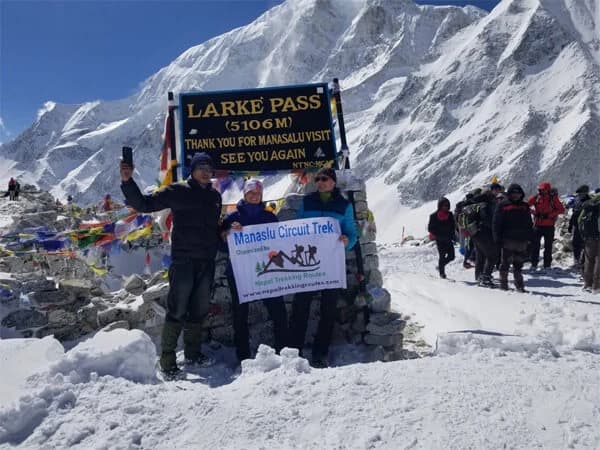
The Manaslu Circuit Trekking difficulty ranges from moderate to strenuous, depending on the itinerary, altitude and excursions included. The main route involves long walking days, sustained climbs and the crossing of Larkya La Pass at approximately 5,106 metres. Adding Manaslu Circuit Trek side trips to Kal Tal, Pungyen Gompa or other remote locations increases the distance and elevation gain. Extending the journey into Tsum Valley requires several additional days.
Good cardiovascular fitness and preparation for consecutive days of walking are important, but fitness alone does not prevent altitude sickness. Build enough time into your Manaslu Trek Itinerary for acclimatisation, and assess each detour separately. Excursions to remote lakes and monasteries may involve steep climbs, limited facilities and longer walking days than the main route.
Is trekking guide mandatory for the Manaslu Circuit Trek?
Yes, hiring a licensed trekking guide is mandatory because the Manslu region is a restricted trekking area. Under Nepal's revised rules introduced in March 2026, individual foreign trekkers can obtain restricted area permits, provided they meet the guide and agency requirements. The previous blanket requirement for at least two trekkers no longer applies under the revised policy.
A special restricted area permit is required, alongside any other permits applicable to the itinerary. If you plan to include Tsum Valley, confirm the permit requirements and fees with your agency before departure. A guide also helps with route planning, local customs and changing mountain conditions, especially on excursions away from the main trail.
What accommodation is available in remote villages?
Manaslu Trek Accommodation mainly consists of family run teahouses and simple mountain lodges. Rooms generally have basic beds and blankets, while toilets, hot showers, electricity and charging facilities vary between villages. Facilities can be more limited at higher elevations and on less frequented side routes, so check overnight arrangements before adding remote destinations to your itinerary.
Teahouses usually serve meals to overnight guests and provide opportunities to learn about daily life in Nepal mountain villages. Availability and comfort vary by location and season, so do not assume that every stop offers the same amenities. If you are planning a longer excursion, ask your guide whether accommodation is available along the route or whether you need to return to the main trail.
What is the best time to explore hidden gems on the Manaslu Circuit?
Thebest seasons for trekking hidden trails in the Manaslu region are spring (March to May) and autumn (September to November). During these months, the weather is stable, skies are clear, and trails are safer, making it easier to access remote valleys and high altitude passes. Spring also brings blooming rhododendrons and alpine flowers, while autumn offers crisp air and panoramic mountain views, perfect for photography and offbeat exploration.
The Manaslu Trek Weather can change quickly at altitude. Monsoon rain may cause muddy trails, landslides and delays, while winter snow and freezing temperatures can make Larkya La Pass difficult or temporarily inaccessible. Check the forecast and local trail conditions before leaving the main route.
What wildlife can be seen on the Manaslu trek?
The Manaslu Conservation Area protects a wide range of habitats, from lower river valleys and forests to high altitude environments. Wildlife in the wider region includes blue sheep, musk deer, Himalayan tahr and numerous bird species. Snow leopards also inhabit parts of the area, but sightings are rare and should never be expected on a regular trek.
Changes in elevation bring changes in vegetation, including broadleaf forests, conifers and high-altitude plant communities. These habitats make the region important for Himalayan flora and fauna, although wildlife is often difficult to spot along established trails. Keep your distance from animals, never feed them and carry rubbish out of the conservation area.
How should I prepare for high altitude on the Manaslu Circuit?
Manaslu Trek Altitude Sickness is a serious consideration because the route climbs above 5,000 metres atLarkya La Pass. Acclimatization days, gradual ascent and a sensible itinerary help reduce the risk, but even fit trekkers can develop altitude illness. Follow your guide's advice and avoid ascending to a higher sleeping altitude while experiencing symptoms.
Headache, nausea, dizziness and unusual fatigue can be signs of acute mountain sickness. If symptoms develop, stop ascending and rest at the same altitude. If they worsen, descend and seek medical assistance. Confusion, loss of coordination or difficulty breathing at rest are emergency warning signs requiring immediate action. Medication should only be used with appropriate medical advice and must never replace descent when needed.
Your Manaslu Trek Packing List should include suitable insulating layers, waterproof clothing, sun protection, sturdy footwear and a basic first aid kit. Trekking poles can help on steep ascents and descents. Discuss personal medical concerns with a healthcare professional before departure, particularly if you have an existing heart or lung condition.
What kind of food can I expect on the Manaslu Circuit Trek?
Manaslu Trek Food is mainly served in teahouses along the route. Common choices include dal bhat, noodle soup, rice dishes, potatoes, eggs, Tibetan bread and momo, although menus become more limited in remote villages. Dal bhat is a practical trekking meal because it supplies carbohydrates and can include lentils and vegetables.
Food supplies depend on the village, season and transport conditions. Special diets may be difficult to accommodate in smaller settlements, so tell your trekking agency about dietary requirements in advance. Carry snacks for longer walking days and choose freshly prepared meals from established teahouses.
Conclusion: Hidden Gems of the Manaslu Circuit Trek
The lesser known attractions of the Manaslu region offer more than mountain views. Lakes such as Kal Tal, monasteries such as Serang Gompa and excursions around the Nubri Valley reveal different aspects of the region's landscape and cultural heritage. However, some destinations require substantial detours, additional permits or extra days, so they should be planned around the main circuit rather than added without considering the route.
Responsible trekking means respecting local customs, following conservation rules and leaving natural sites undisturbed. Check current permit requirements, allow time for acclimatisation and make decisions based on weather and trail conditions. Careful planning makes it easier to explore the region without compromising safety or putting unnecessary pressure on local communities.